Knowing It Might Be a Scam: Does That Mean You Knew? Statements and Indirect Intent in Fraud Cases
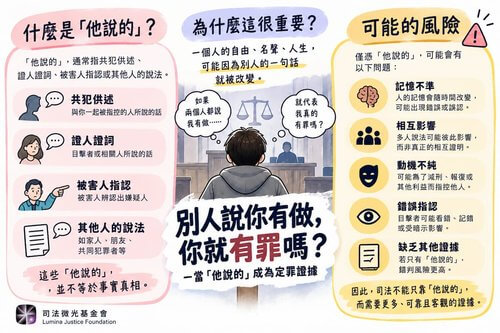
A friend asks you to help collect a payment or withdraw some cash. Something feels off, but you don’t ask questions. Then, to your surprise, you end up being treated as an accomplice to fraud! But here’s the question: does “finding it suspicious” mean “knowing it was a scam”? How much does a person actually have to know before they can be found to have criminal intent? In fraud cases, what a defendant says during the investigation, and how they say it, can affect the outcome of the trial. How should the court decide whether a statement is credible? And…